All Shirts
 New Arrivals
 Luxe Collection
 Combo Packs
 Accessories
 Bulk Order
 Giza Cotton
 Pure Linen
 Cotton Linen
 Oxford
 Corduroy
 Wrinkle Free
 2 Ply Cotton
 Fabrics We Use
 Full Sleeve
 Half Sleeve
 French Cuff
 Plus Size
 Shop By Pants
 Work Essentials
 Client Meetings
 Presentations
 Smart Casual Fridays
 Travel & Long Days
 Weddings & Special Occasions
 Interviews
 Build Your Giza Pack
 Build Your Linen Pack
 Size & Fit Guidance
 Contact Us
 About Us
 Our Offline Store
 Men Of TFC
 Buy Back TFC
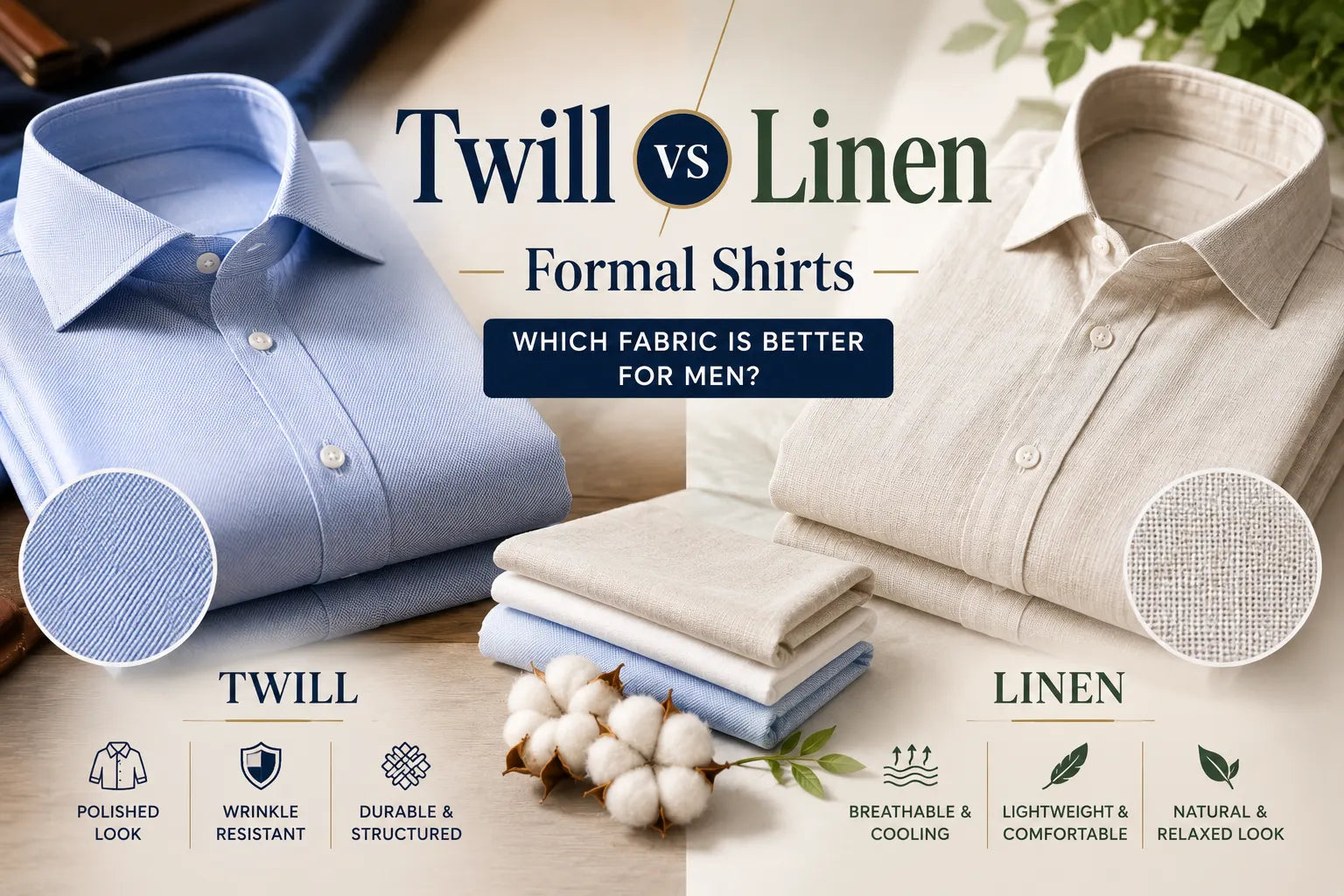
Twill vs Linen Formal Shirts: Which Fabric Is Better for Men?
Key Takeaways
- Twill shirts: Structured, polished, durable, and more resistant to wrinkles.
- Linen shirts: Lightweight, highly breathable, and ideal for hot and humid weather.
- For formal wear: Twill is better suited to offices, meetings, interviews, and business events.
- For summer: Linen is a better choice because of its excellent airflow and lightweight feel.
- Wrinkle resistance: Twill stays crisp longer, while linen naturally develops wrinkles.
- Durability: Both fabrics are durable, but twill is easier to maintain for regular use.
- Climate: Choose twill for mild or cooler conditions and linen for hot climates.
- Style: Twill offers a refined professional look, while linen creates a relaxed and naturally textured appearance.
- Best choice: Choose based on your climate, occasion, comfort, maintenance preferences, and desired look.
Introduction
Twill and linen are popular fabrics in men's formal shirts. It decides how you look, feel, and perform throughout the day. If we compare twill vs linen fabric, both are popular choices for men who want comfort without compromising style. They have different textures, durability, breathability, and appearance.
Twill is a famous fabric because of its smooth finish, diagonal weave, and structured appearance. It makes it suitable for polished and professional outfits. Linen fabric is popular because of excellent breathability, lightweight feel, and relaxed texture, especially in warm weather. In this blog, we compare the linen vs twill fabric for men's shirts.
Twill: The Crisp Professional
Twill is the type of weave that has ribs running in parallel diagonals and is used for premium business shirts. Its key characteristics are
1. Sharp Appearance
Twill has a natural drape and a slight sheen, giving it a very polished look when worn under a suit jacket or blazer.
2. Wrinkle Resistant
The dense weave of twill means that it resists wrinkling all day and requires very little ironing.
3. Opaque and Heavy
Because it is thicker than most weaves, it won't be see-through and will keep you warm in air-conditioned offices or during the cooler months.


Linen: The Lightweight Classic
Linen is a fiber that comes from the flax plant and has for centuries been regarded as the best textile for warm weather.
1. Maximum Cooling
It has the loose weave and natural characteristics of flax, and enables maximum airflow. It quickly removes moisture from your body.
2. Relaxed elegance
Linen has a particular textured appearance which gives a carefree and light style ideal for summer formal occasions.
3. Wrinkle Factor
Pure linen begins to wrinkle as soon as it is worn. It is regarded for its natural appeal; this means that pure linen is not suitable for strict corporate boardroom use.


Twill vs Linen: Key Differences at a Glance
Here are the key differences between twill vs linen shirts
1. Texture and Appearance
Twill has a smooth surface marked by slight diagonal ridges, which refine the way light is reflected. It drapes nicely and maintains its shape, giving shirts a crisp and polished appearance that looks well in photographs.
On the other hand, linen has a more textured and slightly nubby surface, possessing an organic and relaxed charm. It makes it suitable for men to wear linen shirts at smart-casual or formal events, and maintain their sharp and crisp look.
Linen shirts are well known for loose and textured elegance. But if you want to create a refined and presentable look, then twill shirts are best for you.
2. Breathability and Comfort
Linen shirts are well known for their superiority. It is made with flax fibers and allows air to pass easily through the fabric. It can regulate body temperature. Linen fabric absorbs moisture well and dries quickly, and is suitable to wear in hot, humid climates or on long summer days.
Twill is a breathable fabric, has a tighter weave, and is a bit warmer than linen. So it is not suitable for office wear. Linen is well known for higher breathability and comfort and is suitable for outdoor summer events. It is better to wear in hot weather and maintain all-day comfort.
3. Formality and Occasion
Twill is a suitable fabric for strict formal or business situations, because of its structured drape and smooth finish. You can wear the twill shirts in boardroom meetings, client presentations, job interviews, and formal events. You can style it with suits and ties and keep a wrinkle-free look.
Linen shirts are suitable for smart-casual situations, summer weddings, garden parties, and resort-formal events. But it is too casual for corporate settings, because it can wrinkle in a short period.
So, if you want to keep your look wrinkle-free in formal settings, then twill is best for you. Linen shirts are suitable for seasonal or relaxed formal events.
4. Wrinkle Resistance
Linen shirts can wrinkle easily and are not suitable for long working days or while traveling. Twill fabric is well known for its tighter diagonal weave and resists creases effectively.
A twill shirt can keep your look crisp even after a full day spent sitting, traveling, and moving around. It is the low-maintenance choice for busy professionals. Twill is much more resistant to wrinkling and becomes a more practical choice for regular use.
5. Durability
Both twill and linen fabric are of high durability and look good even after years. The dense weave of twill makes it strong and resistant to abrasion. This is the reason why it is widely used for workwear shirts. A good twill shirt can tolerate frequent washing and ironing without breaking.
Linen is a more durable and strong fiber. These flax fibers are more tensile than cotton, but the material becomes thin or takes on a paper-like feel after multiple uses and washes. Moreover, linen softens with age but retains the same quality.
6. Care and Maintenance
Twill shirts are easier to maintain. You can easily wash them in the machine and need little ironing to keep them presentable. The cotton-polyester twill blends generally need no ironing at all.
On the other hand, linen shirts require more maintenance and need to be washed in cool water. It is important to hang dry the linen shirts to avoid wrinkles. You should iron them while slightly damp for the best results.
It is also suggested to dry clean structured linen shirts to retain their shape. If you are looking for shirts that require less maintenance, then twill shirts are the best choice for you.
7. Climate Suitability
If you live in or frequently travel to hot, humid regions, then linen shirts are best for you. Its breathability and moisture-wicking properties make it more comfortable to wear in high heat. Twill shirts are suitable for cooler or moderate climates. This is because of its heavier weight and better insulation properties. It becomes a versatile choice all year round.
As a result of the twill vs linen comparison, linen shirts should be selected for tropical or summer conditions, while twill is better suited to moderate or cooler climates.
8. Price Point
The prices of linen and twill shirts vary as per the quality and brand. Usually, linen shirts are more expensive because of the extensive labor involved in them. Twill is made with cotton and is easily produced in large quantities; it is more affordable.
Twill is a premium fabric and can be affordable or expensive too. But linen shirts are expensive and suitable for formal wear for men.
Twill vs Linen: Quick Differences Table
Both twill and linen fabrics are used for men's shirts. Here is a quick look at the differences below
|
Feature |
Twill |
Linen |
|
Weave |
Diagonal twill weave |
Typically plain weave |
|
Feel |
Smooth and slightly substantial |
Lightweight and textured |
|
Breathability |
Moderate to good |
Excellent |
|
Wrinkle resistance |
Resistant to wrinkles |
Naturally prone to wrinkles |
|
Durability |
High durability |
Good, but with proper care |
|
Appearance |
Structured and polished |
Relaxed and naturally textured |
|
Best weather |
Mild to cool weather |
Warm and hot weather |
|
Formality |
More traditionally formal |
Smart-casual to relaxed formal |
|
Maintenance |
Easier to maintain |
Requires maintenance |
Twill vs Linen: Which Should You Choose?
The right type of fabric in twill vs linen for men's shirts depends on your style and wardrobe needs.
Choose twill if
- If you want to get a well-organized and refined look
- If you require shirts for office wear
- If you are preparing for formal events or meetings
- If you want better protection against visible wrinkles
- If you prefer heavier and smoother fabric
- If you want to wear in a mild climate or spend most of your time indoors
Choose linen if
- If you are looking for breathable fabric
- You are living in a hot and humid climate.
- You want lightweight shirts
- You prefer a loose and naturally textured look.
- If you are styling for summer events
- If you prefer the smart casual or relaxed dress code
Choose Quality Formal Shirts from The Formal Club
Browse the collection of men's formal shirts at The Formal Club. Each of our shirts is made with quality fabrics, ensuring your comfort, style, and versatility. Whether you prefer the lightweight feel of linen or the structured finish of twill, we provide you with premium shirts and ensure your refined and polished look. You can explore the shirts in full sleeve shirts or half sleeve shirts styles, in different colors and smart cuts, and upgrade your wardrobe.
Conclusion
Both linen and twill fabrics play a vital role in a formal shirt collection. Twill provides durability, structure, and a neat professional look and meets the requirements of everyday business life. Linen provides breathability and a relaxed elegance and becomes suitable for warm weather and semi-formal situations.
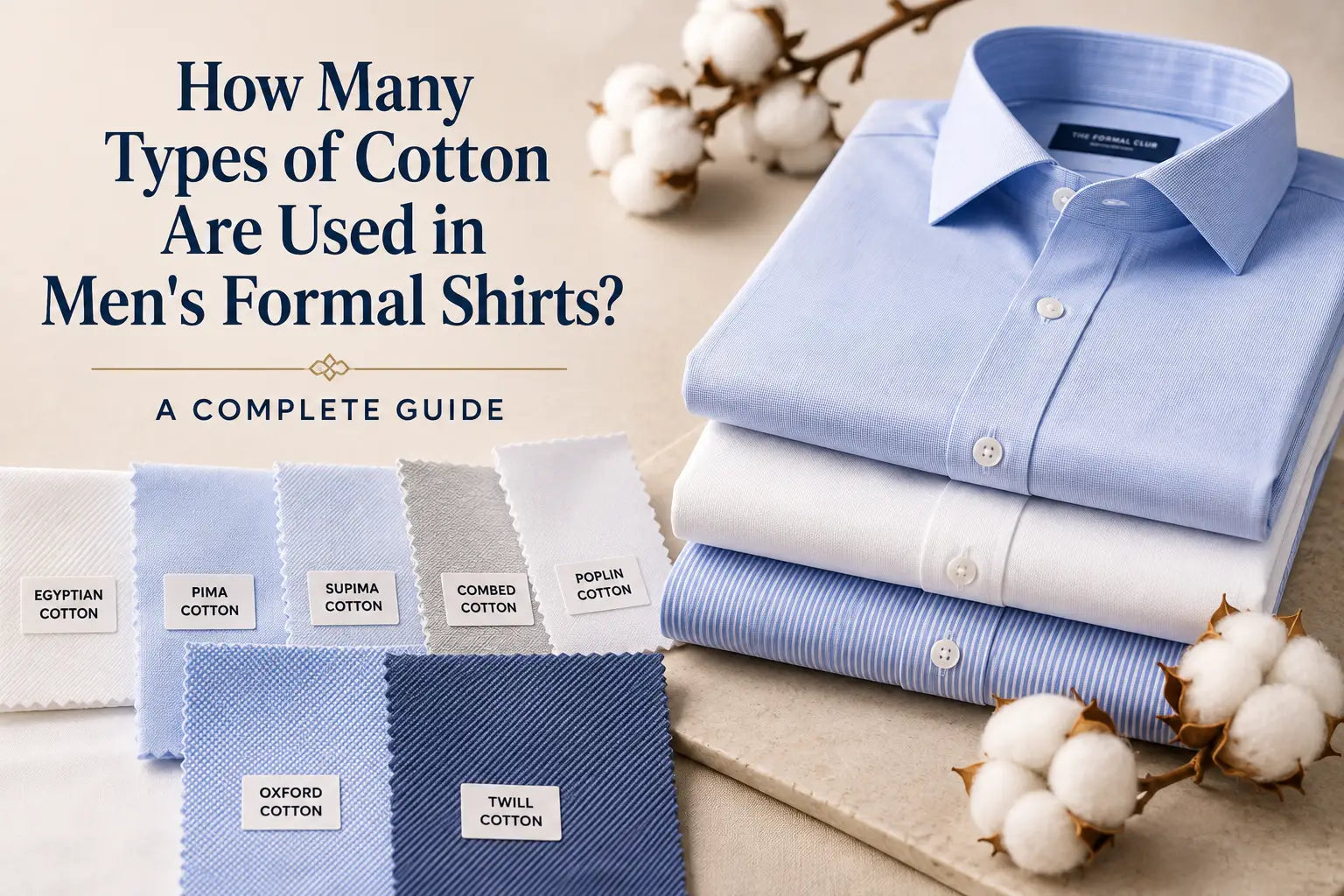
Also Read: How Many Types of Cotton Are Used in Men's Formal Shirts? A Complete Guide
FAQs
Q1. Does Twill Perform Better Than Linen in Formal Shirts?
Ans: Yes, twill works better than linen in formal settings. Twill is preferred for traditional formal shirts because it provides you with a more structured look, greater wrinkle resistance, and a smoother finish. Linen is preferred for the summer and relaxed formal wear.
Q2. Is Linen Suitable for Men's Formal Shirts?
Ans: Yes, linen is a suitable fabric for men's formal shirts, especially in hot and humid weather. It is lightweight, allows maximum airflow, and keeps you comfortable all day. It has a natural texture and creates your laid back and refined look.
Q3. Is Twill or Linen More Breathable?
Ans: Linen is more breathable than twill fabric because it is lightweight and allows better air circulation. It makes it comfortable for the hot and humid season.
Q4. Does Twill or Linen Tend to Wrinkle More?
Ans: Linen is more prone to wrinkling than twill. These natural creases are a feature of linen and create a relaxed appearance. On the other hand, twill shirts can keep a neater appearance for a longer time.
Q5. Would Men Choose Twill or Linen in Summer?
Ans: Linen is a better option for summer because it is breathable and lightweight. It creates a structured and refined look for formal settings, and keeps you comfortable in hot weather.