All Shirts
 New Arrivals
 Luxe Collection
 Combo Packs
 Accessories
 Bulk Order
 Giza Cotton
 Pure Linen
 Cotton Linen
 Oxford
 Corduroy
 Wrinkle Free
 2 Ply Cotton
 Fabrics We Use
 Full Sleeve
 Half Sleeve
 French Cuff
 Plus Size
 Shop By Pants
 Work Essentials
 Client Meetings
 Presentations
 Smart Casual Fridays
 Travel & Long Days
 Weddings & Special Occasions
 Interviews
 Build Your Giza Pack
 Build Your Linen Pack
 Size & Fit Guidance
 Contact Us
 About Us
 Our Offline Store
 Men Of TFC
 Buy Back TFC
What Is a Linen Shirt? The Ultimate Guide to Comfort and Styl
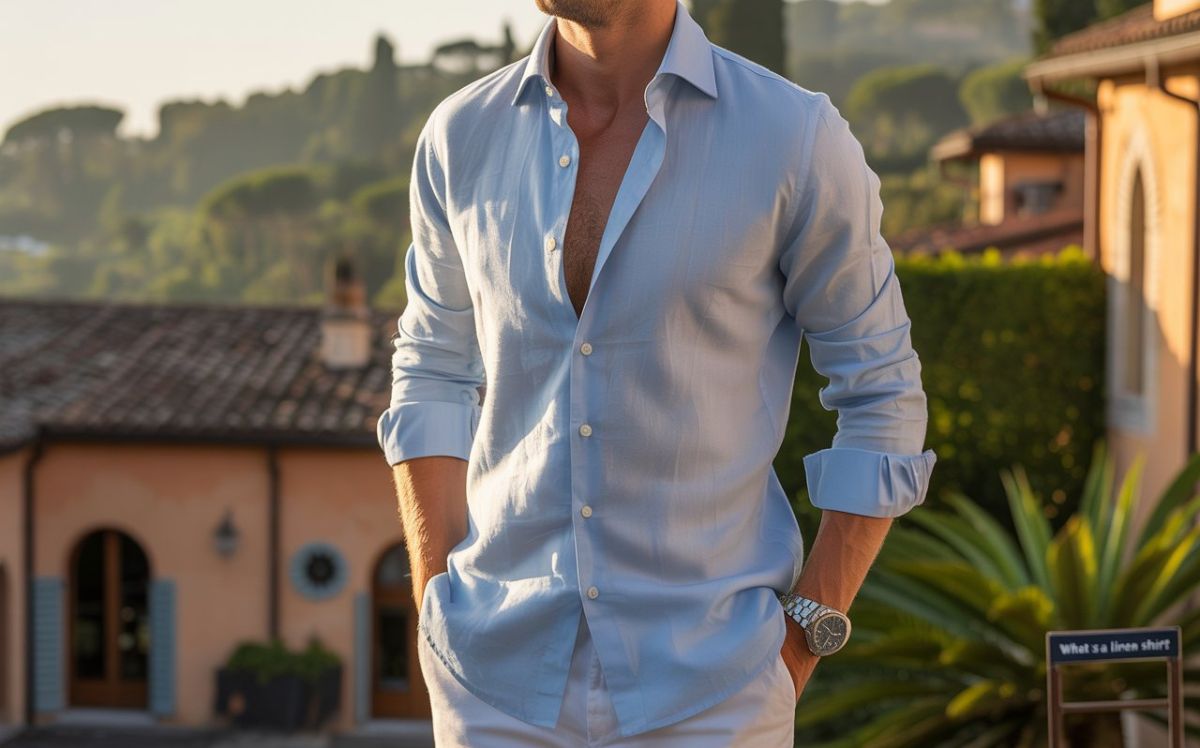
A linen shirt is a garment made from fibers extracted from the flax plant, designed for maximum airflow, fast moisture evaporation, and natural cooling. It is one of the most effective fabrics for hot and humid climates because it maintains airflow even when the body is sweating.
What Makes Linen Different
Linen differs from cotton due to its fiber structure and thermal behavior.
- Linen fibers contain a hollow core called a lumen, which improves airflow
- Linen has ~20–30% higher thermal conductivity than cotton, meaning it pulls heat away from the body faster
- Fibers are more rigid, which prevents the fabric from collapsing onto the skin
This combination allows linen to dissipate heat and maintain airflow, even in high humidity conditions.
Why Linen Shirts Feel Cooler (With Measurable Differences)
Linen performs better than cotton due to three measurable factors:
1. Air Permeability
Linen can allow up to 2–3x more airflow than tightly woven cotton fabrics, depending on weave density.
2. Moisture Evaporation Rate
- Linen: dries in ~20–40 minutes
- Cotton: dries in ~60–120 minutes
This faster drying prevents sweat accumulation and discomfort.
3. Non-Cling Structure
Linen maintains micro air gaps (~2–4 mm) between fabric and skin, enabling continuous cooling.

How to Choose the Best Linen Shirt
The L.I.N.E.N Framework
- L — Lightness → choose breathable fabric
- I — Intent → office vs casual
- N — Non-Cling Fit → allows airflow
- E — Environment → humidity vs dry heat
- N — Natural Texture → accept slight wrinkles
Linen vs Cotton
| Feature | Linen | Cotton |
| Breathability | Very High (2–3x airflow) | Moderate |
| Moisture Drying | Fast (~20–40 min) | Slow (~60–120 min) |
| Skin Interaction | Non-cling | Clings when wet |
| Thermal Conductivity | Higher (cooler feel) | Lower |
| Durability | High (long-lasting fibers) | Medium |
When Should You Wear a Linen Shirt?
Best Use Cases
- Hot weather (30°C+)
- Humid environments
- Long commutes and travel
- Daily summer office wear
When to Avoid
- Strict corporate environments requiring sharp structure
- Cold or heavily air-conditioned settings
Pure Linen vs Linen Blends
Pure Linen
- Maximum airflow
- Natural wrinkles
- Best for extreme heat
Linen Blends (Cotton / Tencel)
- Reduced wrinkling
- Better structure
- Slightly lower airflow (~10–20% reduction)
Blends trade a small amount of cooling performance for better formality and ease of wear.
Recommended Linen Shirts for Summer
- Pure Linen Shirt — best for hot and humid conditions
- Linen Blend Formal Shirt — best for office wear
- Striped Linen Shirt — versatile for semi-formal settings


Also Read: 10 Best Shirts for Tall Men: How to Find the Perfect Fit and Style
FAQs
Q1. How do you wash a linen shirt without shrinking it?
Ans: Wash linen shirts in cold or lukewarm water (below 30°C) and avoid high heat drying. Air drying is recommended because heat can weaken flax fibers over time and cause slight shrinkage.
Q2. Are linen shirts expensive compared to cotton?
Ans: Yes, pure linen shirts are typically more expensive because flax cultivation and fiber extraction are labor-intensive. On average, linen shirts cost 20–40% more than standard cotton shirts, depending on quality and origin.
Q3. Why do linen shirts wrinkle so easily?
Ans: Linen has low elasticity due to its rigid fiber structure. Instead of stretching, it folds—creating wrinkles. These wrinkles are a natural property of the fabric and are often associated with breathability and authenticity.
Q4. Can linen shirts be worn for formal occasions?
Ans: Yes, but it depends on the setting. Pure linen works well in business-casual or summer environments, while linen blends are better suited for formal settings where structure is important.
Q5. How long does a linen shirt last?
Ans: A high-quality linen shirt can last 3–5 years or more with proper care. Linen fibers are naturally strong and become softer over time without losing durability.