







Slim Fit vs Regular Fit Shirt: Key Differences Explained
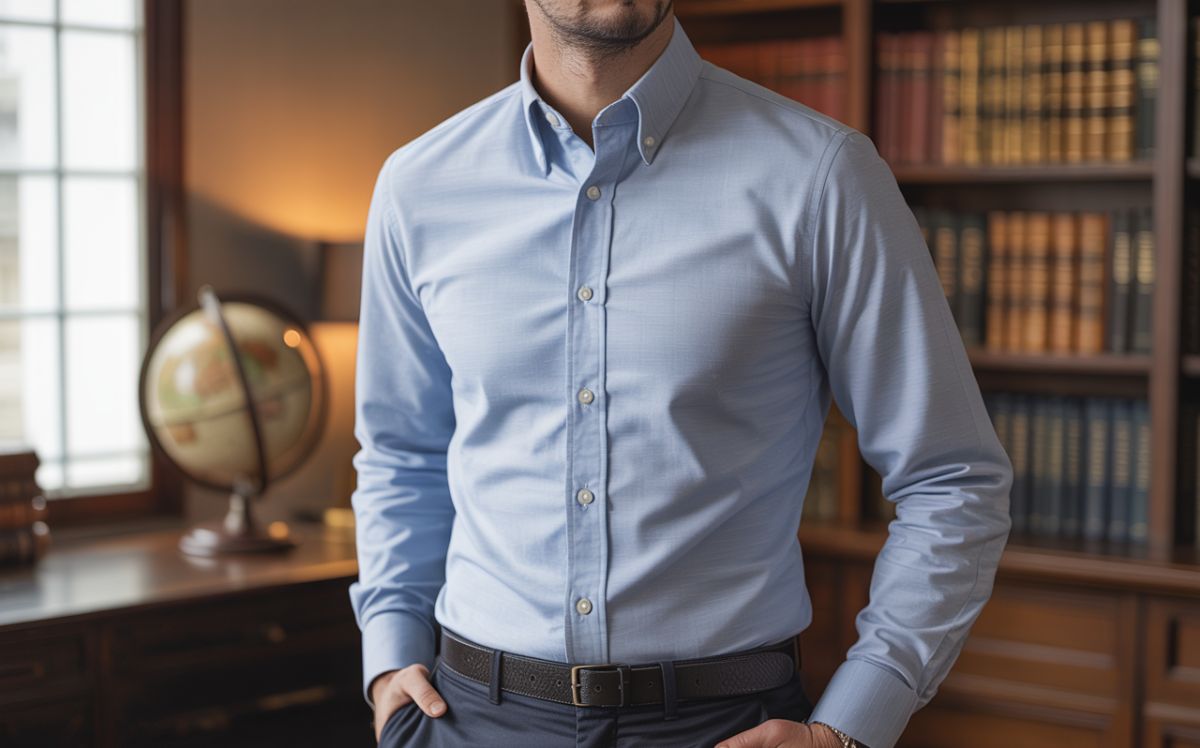
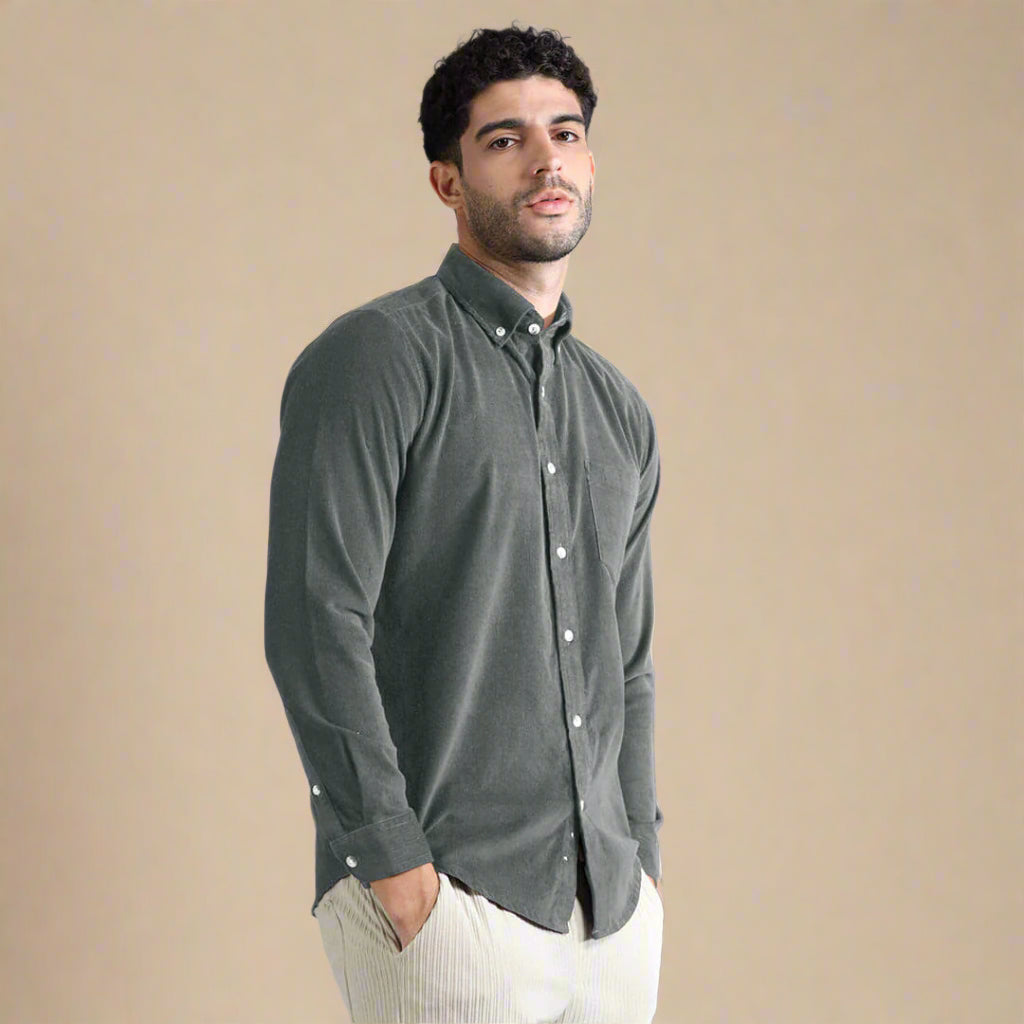
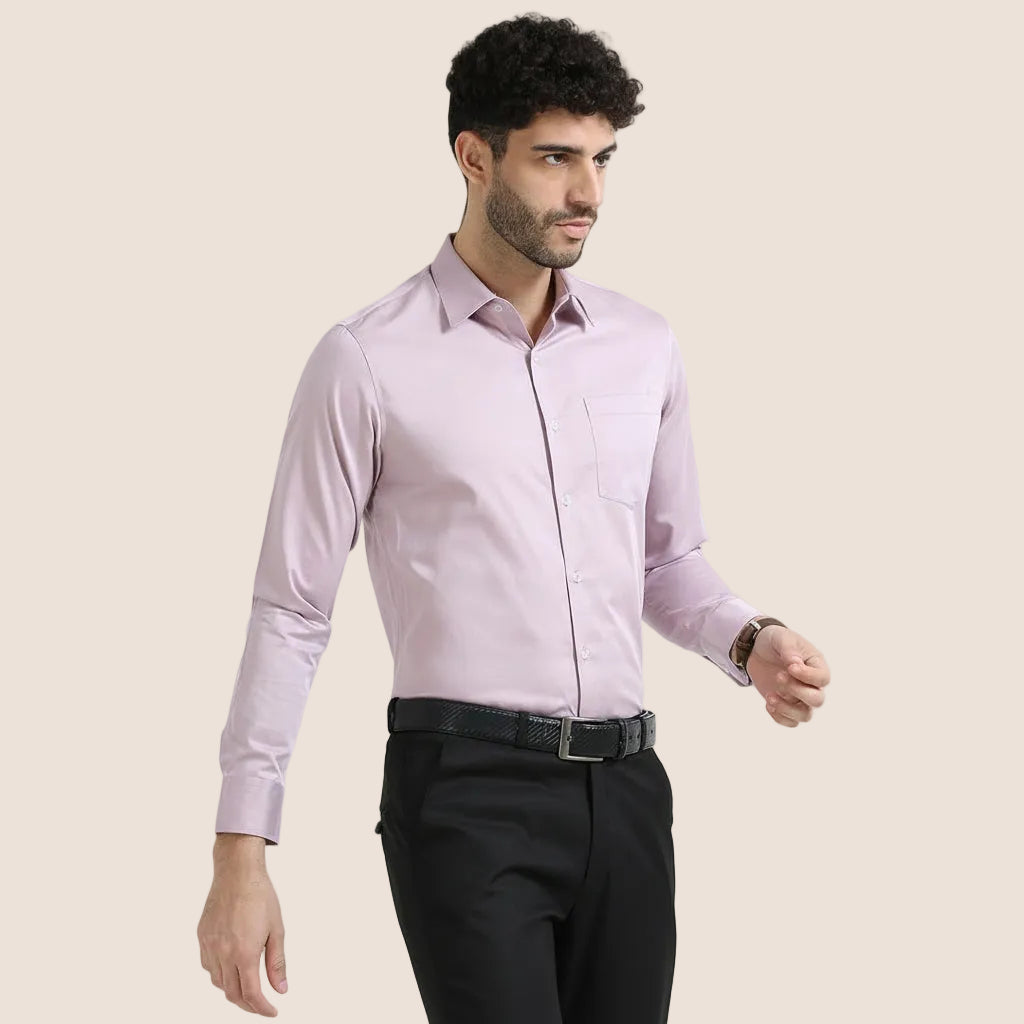
A slim fit shirt uses ~9 cm ease to contour the body, while a regular fit shirt uses ~16 cm ease to prioritize comfort and airflow.
- Slim fit → sharp, body-contouring, modern
- Regular fit → relaxed, breathable, forgiving
What This Actually Means in Real Life
Most comparisons stop at “tight vs loose.” That’s not useful when you’re deciding what to wear for a full workday.
The real difference shows up in how the formal shirts behaves when you move, sit, and commute. That behavior is controlled by one variable: ease the space between your body and the fabric.
The Mathematics of Fit
| Fit Type | Chest Ease | Waist Ease | Fit Behavior |
| Slim Fit | ~9 cm | ~9 cm | Moves with your body |
| Regular Fit | ~16 cm | ~16 cm | Body moves inside the shirt |
Slim fit removes ~7 cm of fabric volume vs regular fit. That single change is what creates the sharper silhouette you see in the mirror.

Why This Matters When You Move
Think about your day: walking, sitting, reaching, typing. Your shirt is constantly interacting with your body.
- Regular fit gives you extra room, so movement feels easy. The trade-off is visible looseness and fabric shifting.
- Slim fit stays closer to your body, so it looks cleaner. The trade-off is that it depends more on good patterning and fabric stretch.
This is why two shirts that look similar on a hanger feel completely different after a few hours of wear.



How Shape Is Created?
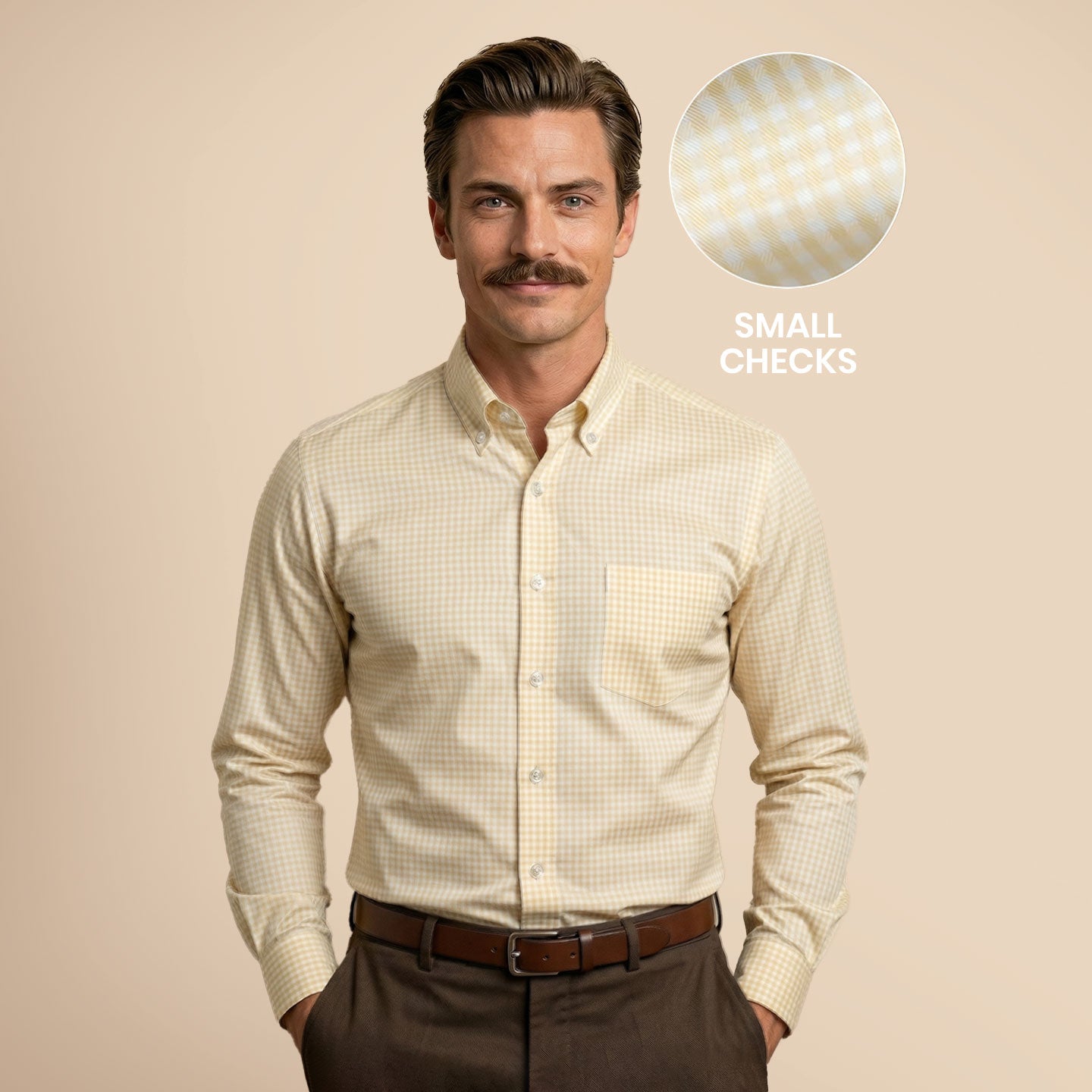
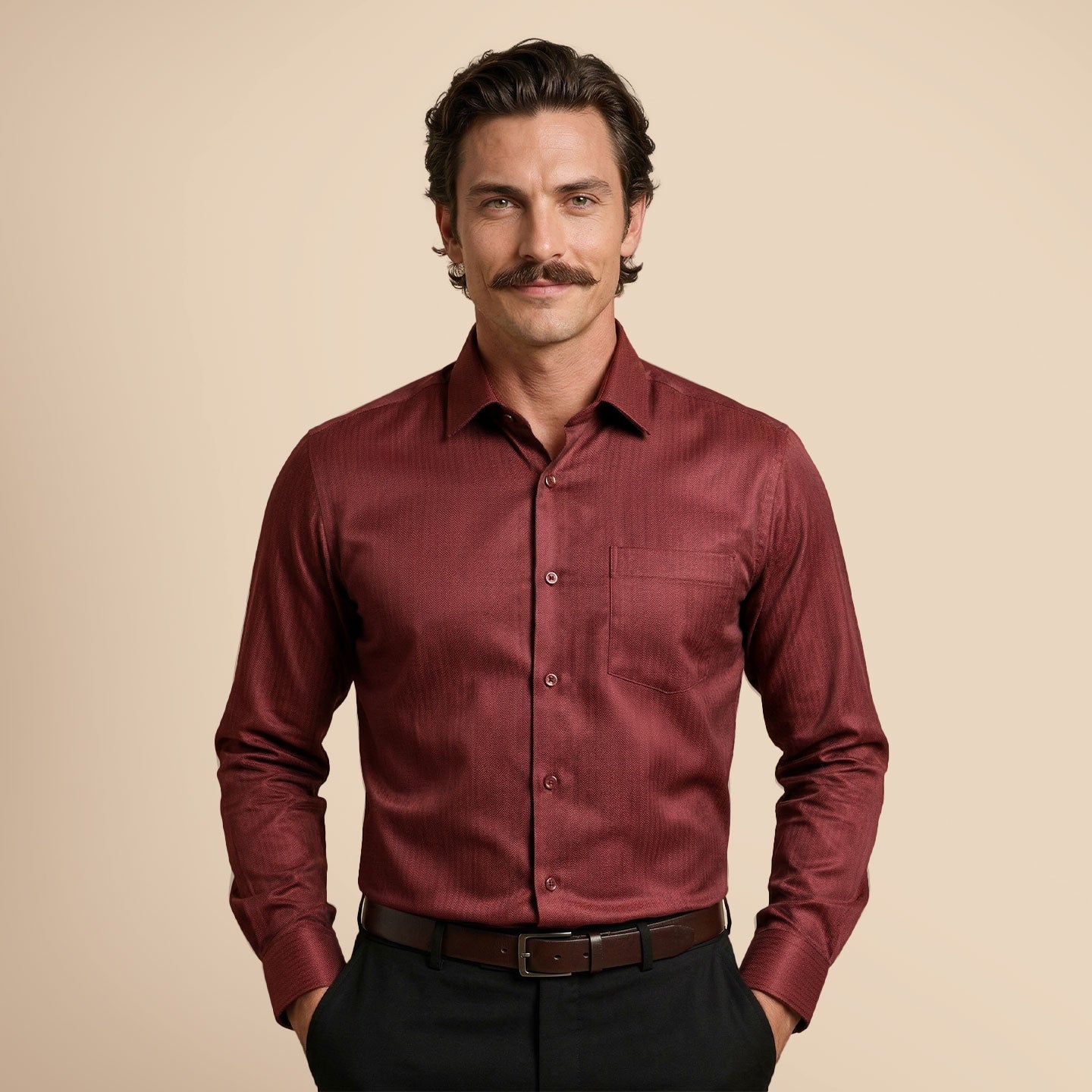
Another key factor is the chest-to-waist drop, which defines how tapered a shirt looks.
- Regular fit → ~2 inch drop (straight silhouette)
- Slim fit → ~3–4.5 inch drop (tapered silhouette)
A higher drop creates a more defined shape, especially when the shirt is tucked in.
Armhole Engineering
If you’ve ever raised your arms and your shirt came untucked, this is why.
- Regular fit uses lower armholes, which feel roomy but can restrict upward movement
- Slim fit uses higher armholes, which improves mobility and keeps the shirt in place
This small structural detail often matters more than the fit label itself.
Slim Fit vs Regular Fit
| Factor | Slim Fit | Regular Fit |
| Appearance | Sharp, modern | Relaxed, classic |
| Comfort | Medium (fabric dependent) | High |
| Mobility | High (if engineered) | Moderate |
| Breathability | Lower | Higher |
| Best For | Lean/athletic | Broad/comfort-first |
How to Choose the Right Fit for Your Day
Instead of asking “which is better,” ask what you need from the shirt today.
Choose Slim Fit If:
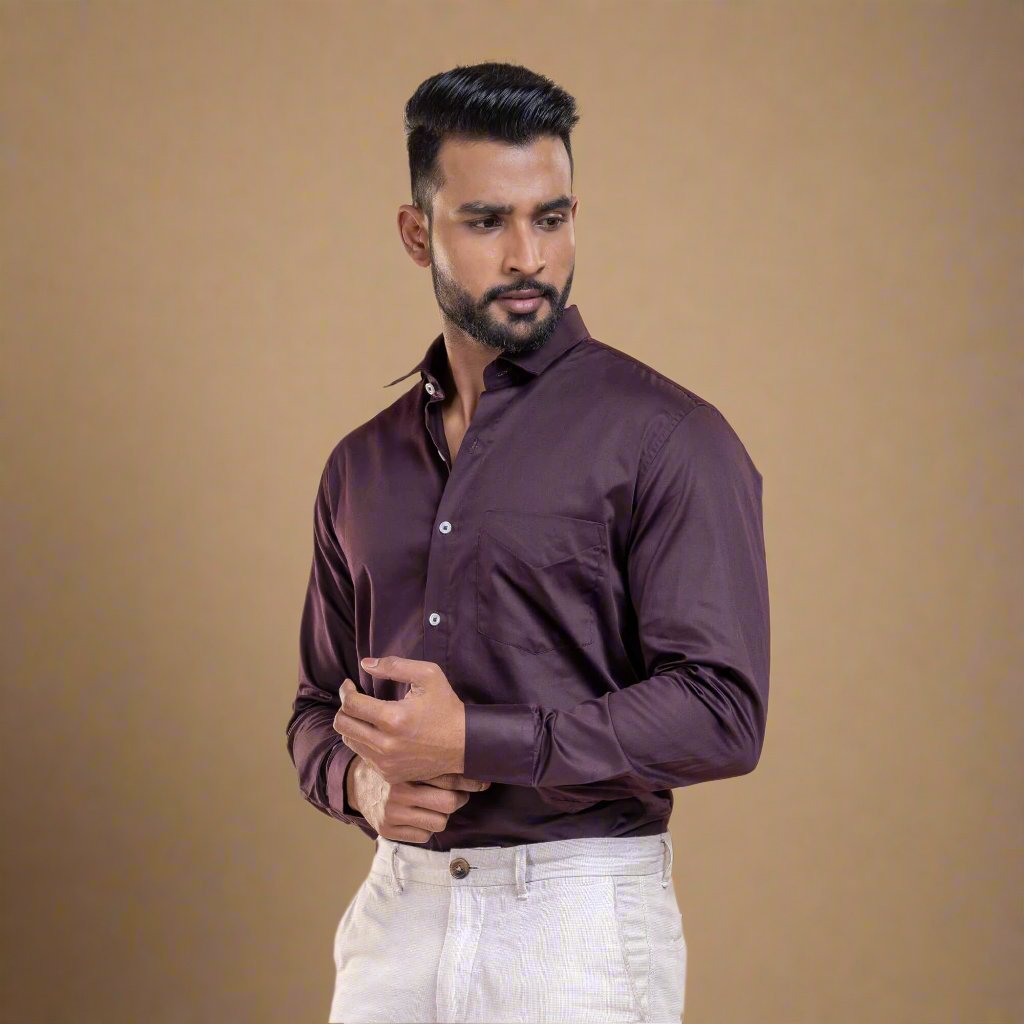
- You want a sharp, tailored look
- You have a lean or athletic build
- You need your shirt to stay tucked and structured
Recommended:
- Slim Fit Formal Shirt — ideal for interviews and meetings
- Stretch Slim Fit Shirt — adds comfort without losing structure
Choose Regular Fit If:
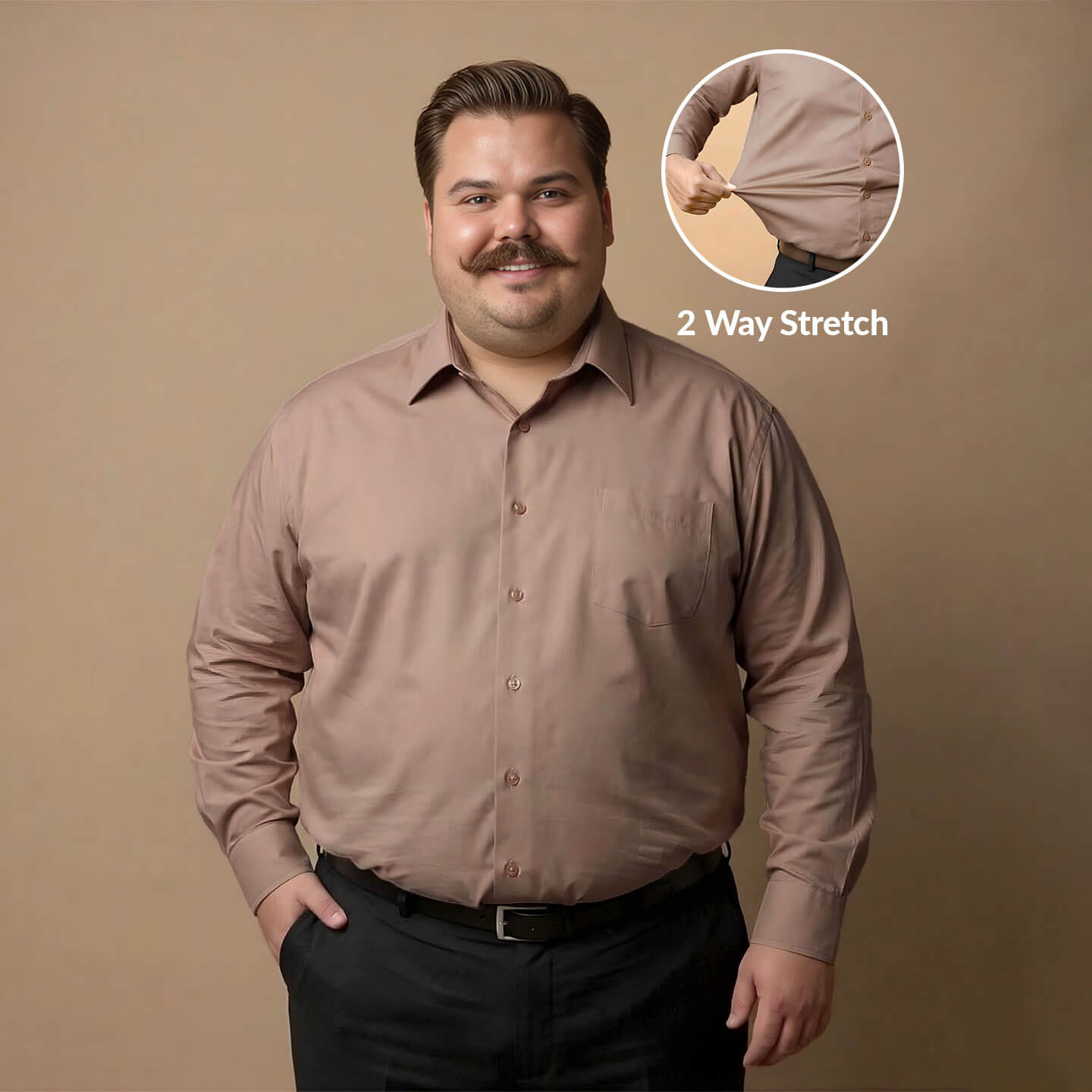
- You prioritize comfort and airflow
- You have a broader body type
- You sit or commute for long hours
Recommended:
- Regular Fit Cotton Shirt — breathable for daily office wear
- Oxford Regular Fit Shirt — durable and structured for long days
Fabric Still Matters, Even More Than Fit
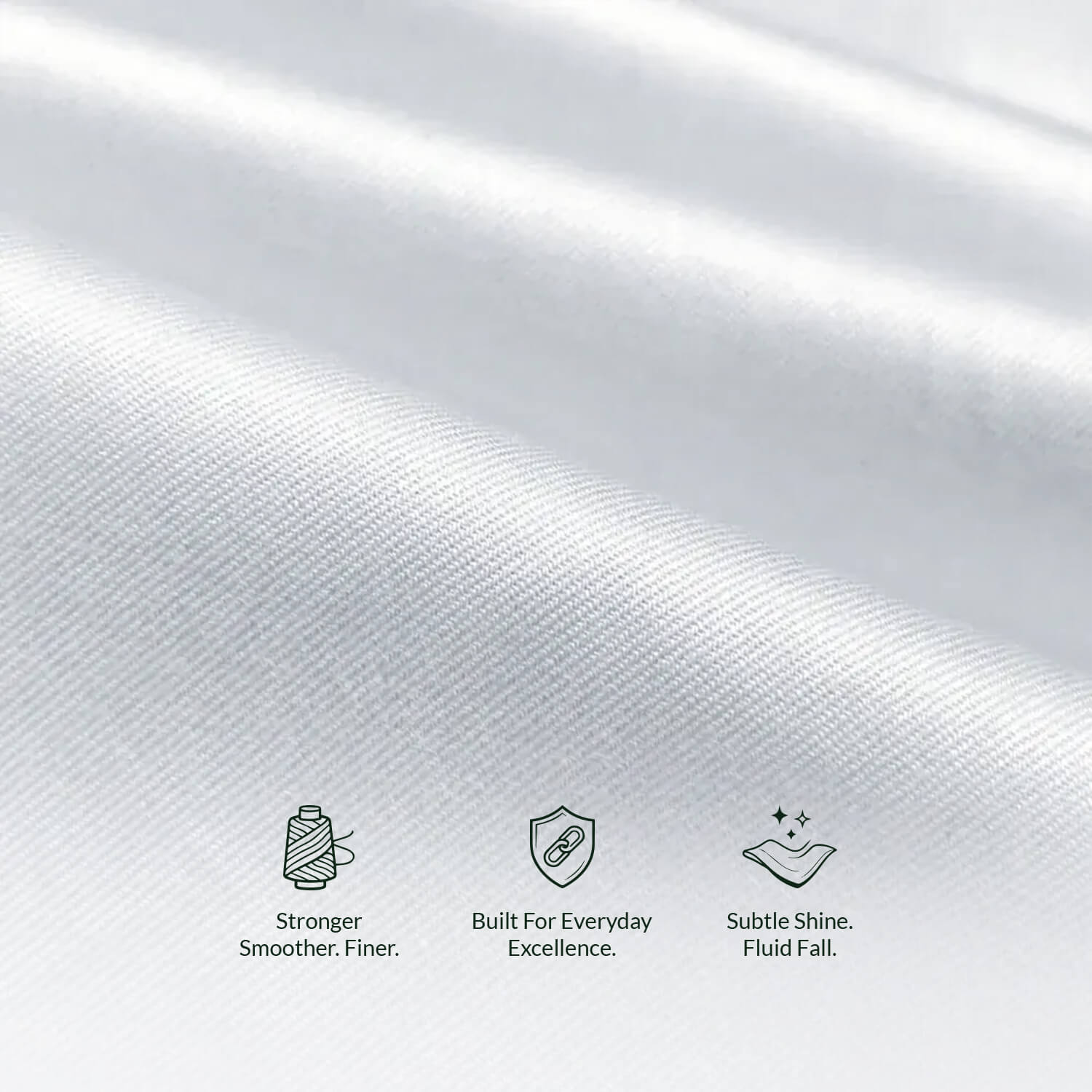
Fit determines shape, but fabric determines comfort.
Slim fit shirts, in particular, rely on fabric performance because they sit closer to the body.
- Cotton + elastane (3–5%) → better stretch and recovery
- Blends → improved durability and shape retention
For a Sharp, Modern Look
- Slim Fit Formal Shirt — clean structure for formal settings
- Stretch Slim Fit Shirt — better mobility for long wear
For Comfort & Daily Wear
- Regular Fit Cotton Shirt — breathable and versatile
- Oxford Regular Fit Shirt — reliable for everyday office use


FAQs
Q1. Why Do Slim Fit Shirts Feel Tight When Sitting?
Ans: When you sit, your torso expands slightly and your back engages. Slim fit shirts rely on fabric stretch to accommodate this, while regular fit shirts rely on extra fabric space.
Q2. Which Fit is Better for Hot Weather?
Ans: Regular fit allows more airflow, making it better for high heat. However, breathable fabrics can make slim fit comfortable in moderate conditions.
Q3. Can Slim Fit Shirts Restrict Movement?
Ans: Yes, if they lack stretch or proper pattern design. Well-made slim fit shirts solve this with better armhole positioning and fabric choice.
Q4. Why Do Regular Fit Shirts Look Loose?
Ans: They are designed to fit a wider range of body types, which results in extra fabric on slimmer builds.