


 All Shirts
 New Arrivals
 Luxe Collection
 Combo Packs
 Accessories
 Bulk Order
 Giza Cotton
 Pure Linen
 Cotton Linen
 Oxford
 Corduroy
 Wrinkle Free
 2 Ply Cotton
 Fabrics We Use
 Full Sleeve
 Half Sleeve
 French Cuff
 Plus Size
 Shop By Pants
 Work Essentials
 Client Meetings
 Presentations
 Smart Casual Fridays
 Travel & Long Days
 Weddings & Special Occasions
 Interviews
 Build Your Giza Pack
 Build Your Linen Pack
 Size & Fit Guidance
 Contact Us
 About Us
 Our Offline Store
 Men Of TFC
 Buy Back TFC

How to Choose the Right Shirt Fit
Choose Slim Fit if you have a lean or athletic frame and work mostly in controlled (AC) environments; choose Regular Fit if you want the safest, most versatile option across body types and office settings; choose Relaxed FitThe Formal Club if you’re in hot or humid climates or prioritize comfort and airflow. In 2026, with hybrid commutes and higher urban heat, fit must balance structure (for professionalism) and airflow (for comfort)—not just aesthetics.
The F.I.T Framework
- F — Frame (Body Type)
- I — Intent (Occasion)
- T — Temperature (Climate)
This framework converts a subjective choice into a repeatable decision.
Slim vs Regular vs Relaxed- Quick Comparison
| Fit Type | Best For | Feel | Trade-off |
| Slim Fit | Lean / athletic builds | Structured, sharp | Lower airflow, less forgiveness |
| Regular Fit | Most body types | Balanced, versatile | Less tapered silhouette |
| Relaxed Fit | Heat, travel, casual | Airy, loose | Requires styling to avoid sloppiness |
What “Fit” Actually Means
Fit is the distribution of ease (space between body and fabric), not just a size label.
- Slim Fit: minimal ease; chest-to-waist drop ~3–4.5"; higher armholes → cleaner lines, lower airflow
- Regular Fit: moderate ease; straighter side seams; often includes back pleats → better movement
- Relaxed Fit: maximum ease; dropped shoulders → highest airflow and comfort
Key Insight: A shirt doesn’t fit your body—it manages space, movement, and airflow around it.

F — Frame (Body Type)
Lean Frame
- Best Fit: Slim Fit
- Why: Prevents excess fabric from overwhelming proportions
- Avoid: Oversized/relaxed cuts that create visual imbalance
- Example: Hampstead 2‑Ply Giza Cotton Shirt
Athletic (Broad Shoulders, Narrow Waist)
- Best Fit: Tailored Slim or Stretch Fit
- Why: Accommodates chest/shoulders without pulling at buttons
- Avoid: Rigid slim fits with no stretch (cause tension lines across chest)
- Example: Flexi Stretch Plus Shirt
Fuller Midsection
- Best Fit: Regular Fit
- Why: Skims the body without clinging
- Avoid: Elastane-heavy slim fits that cling at the stomach and cause button gaping when seated
- Example: French Cuff Giza Cotton Shirt
I - Intent (Occasion)
Work patterns in 2026 involve hybrid commutes (outdoor heat → indoor AC). Your fit must transition across environments.
- Boardroom / Client Meetings: Slim or structured Regular (clean lines on camera and in person)
- Business Casual / Hybrid Days: Regular (comfort + polish)
- Evening / Events: Structured Regular or Slim (sharper silhouette)
Avoid: Choosing fit purely for style; ignore climate/commute and the shirt will fail within hours.
T - Temperature (Climate)
- Hot & Humid (Mumbai, Chennai): Regular → Relaxed (maximize airflow)
- Moderate (Pune, Bengaluru): Regular (balanced)
- Indoor/AC: Slim or Regular (structure holds)
Physics Note: Tighter fits reduce the air gap, increasing heat retention and cling when sweating.


Deep Dive: Each Fit
Slim Fit
- Tapered waist, higher armholes
- Pros: Sharp, professional
- Cons: Lower airflow; highlights tension if too tight
- Best Use: AC environments, formal meetings
Regular Fit
- Straight cut, optional back pleats
- Pros: Most forgiving; best all-rounder
- Cons: Less sculpted look
- Best Use: Daily office, mixed climates
Relaxed Fit
- Wider body, dropped shoulders
- Pros: Maximum airflow; comfort
- Cons: Needs proportion control (pants/length)
- Best Use: Heat, travel, casual-professional settings
How to Choose
- Shoulders first (must align with natural shoulder)
- Frame (lean/athletic/full)
- Temperature (heat vs AC)
- Intent (meeting vs casual)
Rule: If unsure → start with Regular Fit, then refine.


What to Avoid
- Lean: Avoid relaxed fits that swallow your frame
- Athletic: Avoid non-stretch slim fits that pull across chest/shoulders
- Fuller: Avoid tight slim fits that cling and gap at buttons
- Hot/Humid: Avoid dense, tight poplin slim fits (trap heat, increase cling)
- Hybrid Commute: Avoid fabrics that wrinkle + cling (look good only in AC)
Styling & Proportion
- Slim shirt + slim trousers → clean, vertical line
- Regular shirt + straight trousers → neutral balance
- Relaxed shirt + wider trousers → intentional volume
Avoid imbalance: tight top + wide bottom (or vice versa)
Quick Decision Cheat Sheet
- Lean → Slim
- Athletic → Stretch Slim
- Fuller → Regular
- Hot weather → Regular/Relaxed
- Office → Slim/Regular
Expert Insight
According to Rohit Mehra, Master Tailor & Fabric Consultant at The Formal Club:
“In a 90-degree humid climate, a tight slim fit collapses the microclimate between your skin and the fabric, causing immediate cling. Moving to a regular fit restores airflow and keeps the shirt structured for longer.”
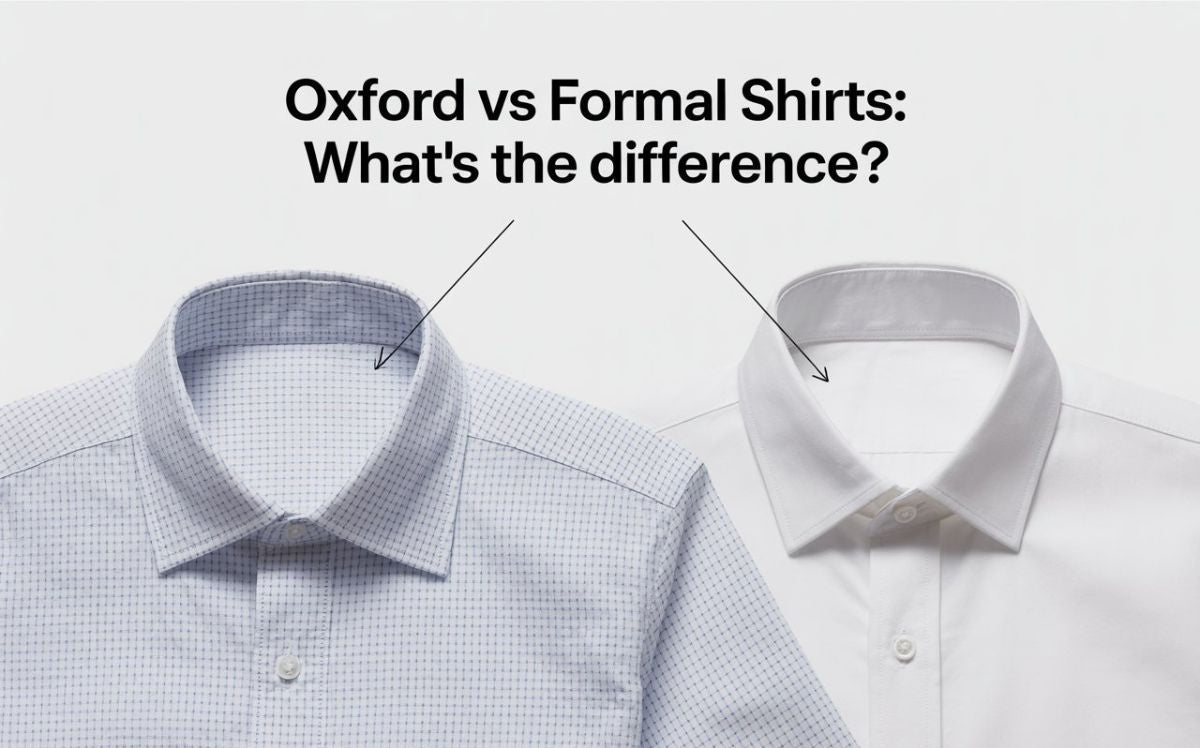
Read Also: Oxford vs Formal Shirts: What’s the Difference?
FAQs
Q1. What is the Best Shirt Fit for a Muscular Build if I Sweat Heavily?
Ans: Choose a stretch slim or athletic fit with slightly more ease in the chest and back. In humid conditions, move one step toward regular fit to restore airflow and prevent cling under the arms and across the back.
Q2. What is the Best Shirt Fit for a Muscular Build if I Sweat Heavily?
Ans: Start with slim, but avoid tight tapering. Opt for a lightweight slim or trim regular to maintain structure while allowing airflow. Fabric and weave (open weaves) matter as much as fit.
Q3. What Fit Works Best Under a Suit Jacket During Long Commutes?
Ans: Use a structured regular fit. It maintains shape under a blazer while allowing enough air gap during transit. Avoid tight slim fits—they trap heat and show sweat faster.
Q4. Which Fit Reduces Visible Sweat Marks the Most?
Ans: Regular or relaxed fits reduce cling, which lowers the visibility of sweat patches. Pair with darker colors or thicker weaves for better masking.
Q5. Is Regular Fit Outdated Compared to Slim Fit?
Ans: No. Regular fit is the most adaptable option across body types and climates. In 2026, with hybrid work and rising temperatures, regular fit often outperforms slim in real-world use.




%20environments;%20choose%20Regular%20Fit%20if%20you%20want%20the%20safest,%20most%20versatile%20option%20across%20body%20types%20and%20office%20s...)