All Shirts
 New Arrivals
 Luxe Collection
 Combo Packs
 Accessories
 Bulk Order
 Giza Cotton
 Pure Linen
 Cotton Linen
 Oxford
 Corduroy
 Wrinkle Free
 2 Ply Cotton
 Fabrics We Use
 Full Sleeve
 Half Sleeve
 French Cuff
 Plus Size
 Shop By Pants
 Work Essentials
 Client Meetings
 Presentations
 Smart Casual Fridays
 Travel & Long Days
 Weddings & Special Occasions
 Interviews
 Build Your Giza Pack
 Build Your Linen Pack
 Size & Fit Guidance
 Contact Us
 About Us
 Our Offline Store
 Men Of TFC
 Buy Back TFC
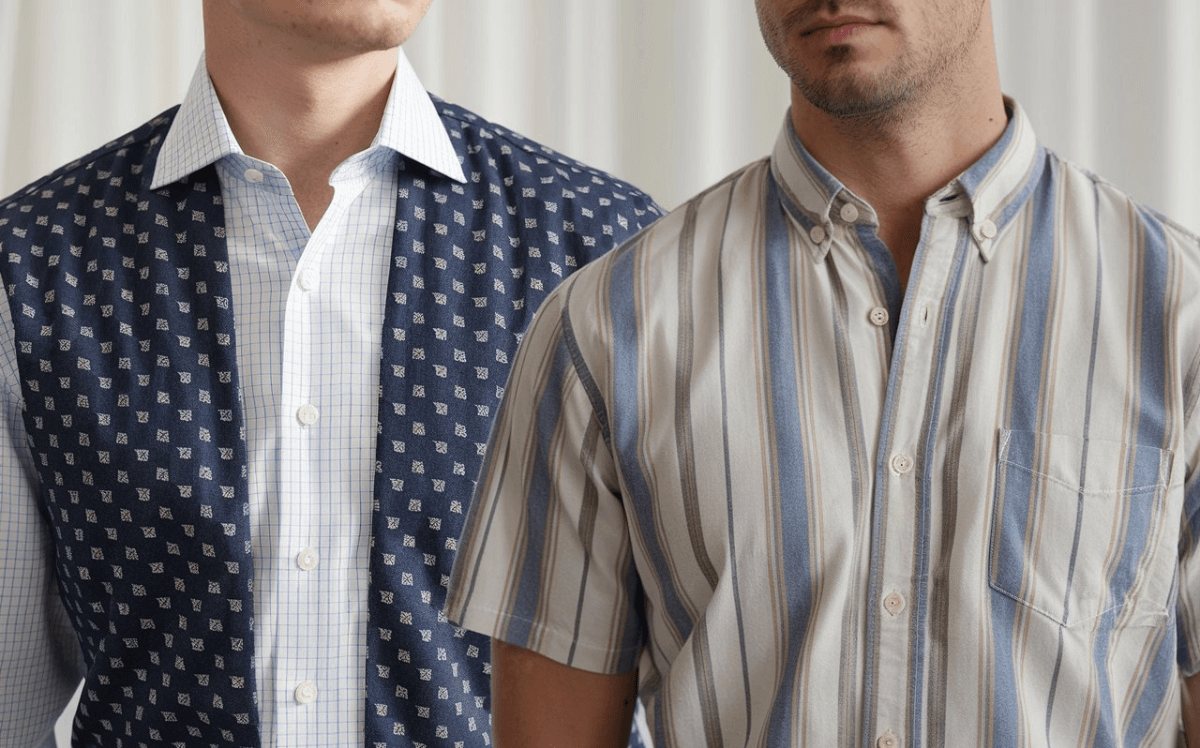
Formal Shirt vs Casual Shirt: What’s the Difference?
When building a versatile wardrobe, understanding the difference between formal shirts and casual shirts for men is essential for making the right style choices.
Both types have their own value, but they differ clearly in terms of fabric, fit, design details, and the occasions they are best suited for. This guide explains these differences to help you choose the right shirt based on your style, comfort, and the occasion.
What Are Formal Shirts?
Formal shirts are tailored garments designed to create a professional and polished appearance. They are typically made from fabrics such as cotton, poplin, or cotton blends, often featuring solid colours or very subtle patterns.
Key characteristics of formal shirts include:
- Structured collars (point, spread, or cutaway)
- Buttoned cuffs or French cuffs (French cuffs are worn with cufflinks)
- Clean, minimal designs with solid or lightly patterned fabrics
-
Classic colour palette such as white, light blue, grey, and pastel shades
Formal shirts are ideal for business meetings, office wear, interviews, and corporate events. They are best paired with dress trousers, a suit, and sometimes a tie, creating a refined and professional look.
What Are Casual Shirts?
Casual shirts are relaxed, versatile garments designed for comfort and everyday wear. Unlike formal shirts, they offer greater flexibility in terms of fabric, fit, colours, and patterns, making them ideal for laid-back occasions.
Casual shirts are commonly made from fabrics such as chambray, denim, flannel, linen, and cotton blends, and are available in a wide range of colours and textures.
Key characteristics of casual shirts include:
- Softer or relaxed collars (button-down, band, or camp collars)
- Comfortable, looser fits, often worn untucked
- Bold, colourful, or playful patterns such as plaids, florals, stripes, and checks
Because of their easy-going style, casual shirts are perfect for everyday outings, travel, weekend wear, social gatherings, and casual Fridays at work.

Key Differences Between Formal and Casual Shirts
| Feature | Formal Shirts | Casual Shirts |
| Fabric | Fine cotton, poplin, twill, or blends | Denim, chambray, flannel, linen, cotton |
| Fit & Structure | Slim, regular, or tailored fit | Relaxed, regular, or comfort fit |
| Design & Patterns | Solid or subtle stripes/checks | Bold colors, prints, patterns |
| Collar Styles | Point, spread, cutaway (structured) | Button-down, camp, band (relaxed) |
| Cuffs | Button or French cuffs | Rolled or simple button cuffs |
| Occasions | Business, interviews, weddings | Outings, travel, parties, casual workdays |
| Maintenance | Requires ironing/dry-cleaning | Needs very little maintenance, easily washable in a machine |
1. Fabric and Material
-
Formal Shirts for Men: Formal shirts are typically made from smooth, tightly woven fabrics such as fine cotton, poplin, twill, linen, or cotton blends. These materials give the shirt a clean, crisp finish that aligns with professional and business dress codes. Some formal shirts may have a slight sheen, adding a refined and classy appearance. The fabrics are usually lightweight yet durable, ensuring comfort during long working hours while maintaining a structured look.
-
Casual Shirts for Men: Casual shirts are available in a wider range of fabrics, including chambray, denim, flannel, linen, and soft cotton blends. This variety makes them suitable for everyday wear, outdoor activities, travel, and relaxed work environments. Compared to formal shirts, casual shirt fabrics are generally softer, thicker, or more textured, offering a comfortable, laid-back feel. Their distinctive textures and patterns add personality and a relaxed vibe to the overall outfit.
2. Fit and Structure
-
Formal Shirts: Formal shirts are designed with a structured and tailored fit to create a sharp, professional appearance. Available in slim, regular, or classic fits, they are crafted to follow the body’s natural contours without being too tight. This clean drape makes them ideal for being tucked into trousers or worn under a blazer or suit jacket. Additionally, formal shirts feature firm, well-structured collars that help maintain a polished and formal look throughout the day.
-
Casual Shirts: Casual shirts offer a relaxed fit focused on comfort and ease of movement. They are commonly available in regular, relaxed, or comfort fits, making them suitable for layering or wearing untucked. Casual shirts often feature softer collars, including button-down or spread styles, which complement their laid-back aesthetic. Unlike formal shirts, casual shirts are typically looser in fit, with straight or curved hems, allowing them to be worn untucked for a more effortless appearance.
3. Design and Patterns
-
Formal Shirts: Formal shirts feature minimal and understated designs to maintain a professional and corporate appearance. Most men’s formal shirts are solid-coloured or include subtle patterns such as fine stripes, small checks, or faint textured weaves. Bright colours and bold designs are generally avoided, with classic shades like white, light blue, grey, and soft pastels being the most common. The focus remains on simplicity, elegance, and formality.
-
Casual Shirts: Casual shirts offer greater freedom in design and colour, allowing men to experiment with different styles. They are available in solids, prints, and bold patterns such as plaids, florals, large checks, stripes, and even graphic designs. These eye-catching patterns give casual shirts a distinct personality, making them ideal for everyday wear, social outings, leisure activities, and workplaces with a relaxed dress code.
4. Collar and Cuff Styles
-
Formal Shirts: Formal shirts feature structured and well-defined collars, such as point or spread collars, designed to sit neatly and pair perfectly with ties. The cuffs are typically button cuffs or French (double) cuffs, with French cuffs worn using cufflinks. In the comparison of formal shirts vs casual shirts, these refined details make formal shirts ideal for business settings, formal events, and professional occasions.
-
Casual Shirts: Casual shirts offer a wider variety of relaxed collar styles, including button-down, band, and camp collars, which contribute to a laid-back appearance. The cuffs on casual shirts are more flexible, often featuring simple button cuffs or roll-up sleeves, making them suitable for pairing with jeans, chinos, or shorts for an easygoing look.
5. Occasions to Wear
-
When to Choose Formal Shirts: Formal shirts are best suited for business settings, office meetings, interviews, corporate events, business dinners, and weddings. They pair perfectly with suits, dress trousers, and ties, creating a polished and professional appearance. These shirts are ideal whenever a neat and structured look is required.
-
When to Opt for Casual Shirts: Casual shirts are more relaxed and versatile, making them suitable for weekends, casual outings, informal gatherings, parties, and workplaces with a business casual dress code. They can be paired with jeans, chinos, or shorts for a comfortable yet stylish look, allowing for personal expression and a laid-back vibe.
6. Maintenance and Care
-
Formal Shirts: Formal shirts, especially those made of cotton or fine blends, require a bit more attention to keep them looking crisp and professional. They should generally be washed carefully, ironed, and in some cases dry-cleaned, depending on the fabric and design. Maintaining a wrinkle-free appearance is important for a polished, office-ready look.
-
Casual Shirts: Casual shirts are easier to maintain and designed for convenience. Most can be machine-washed and worn without ironing, depending on the fabric. Materials like denim, flannel, and chambray even develop a unique, relaxed character over time, adding to their casual charm and effortless style.
7. Styling Tips
-
Formal Shirts Styling: Formal shirts should be paired with dress trousers, formal shoes, and a blazer for a polished business look. They are typically tucked in, and the colour of the shirt should coordinate with the rest of the outfit. Keep accessories minimal simple cufflinks, a classic wristwatch, and subtle belts work best. Avoid overly bright colours or flashy patterns to maintain a professional and elegant appearance.
-
Casual Shirts Styling: Casual shirts are highly versatile and can be styled in multiple ways. They can be worn over a T-shirt, untucked, with rolled-up sleeves, or paired with sneakers for a relaxed street-style look. Accessories like bracelets, beanies, or casual watches can complement the outfit. Unlike formal shirts, casual shirts allow you to experiment freely with patterns, layers, and textures while maintaining a comfortable and stylish appearance.
How to Choose the Right Shirt for You?
1. Occasion
- Formal shirts are perfect for office events, corporate meetings, interviews, and weddings.
- Casual shirts are ideal for weekends, outings, travel, or relaxed social gatherings.
2. Style Preference
- Prefer a clean, polished look? Go for solid-coloured formal shirts.
- Want a bold, expressive style? Opt for casual shirts with prints, patterns, or vibrant colours.
3. Comfort & Fit
- Formal shirts: Typically fitted with structured collars, designed to be tucked in for a neat appearance.
- Casual shirts: Looser fit with relaxed collars, often untucked, prioritizing comfort and ease of movement.
4. Versatility
- Formal shirts: Can be paired with dress pants, blazers, or even jeans for a semi-formal look.
- Casual shirts: Can be styled over T-shirts, with shorts or jeans, or layered for different casual looks.
Conclusion
The choice between a formal shirt and a casual shirt depends on the occasion, individual preferences, and the desired level of comfort. Formal shirts are ideal for creating a smart and polished appearance, making them suitable for business settings and formal occasions. When paired with the right pair of jeans, a formal shirt with jeans can also strike the perfect balance between sophistication and casual style.
On the other hand, casual shirts come in a wide variety of styles, colors, and prints, making them versatile for almost any occasion. Understanding the key differences between Formal Shirts vs Casual Shirts helps make the right choice and ensure the dress code is appropriate for any event.
Read More: Formal Shirt Styling Hacks Every Man Should Know
FAQs
Q1. What Is The Main Difference Between Formal And Casual Shirts?
Ans: Formal shirts are structured and polished, while casual shirts are relaxed, versatile, and designed for comfort and style.
Q2. Which Fabrics Are Used For Formal And Casual Shirts?
Ans: Formal shirts use fine cotton, poplin, twill, or blends. Casual shirts use chambray, denim, flannel, linen, and cotton blends.
Q3. When Should I Wear A Formal Shirt Versus A Casual Shirt?
Ans: Formal shirts suit business, interviews, weddings; casual shirts suit weekends, outings, informal gatherings, travel, and casual workplaces.
Q4. How Should I Style Formal And Casual Shirts?
Ans: Formal shirts: tucked in, paired with trousers, blazer, or tie. Casual shirts: untucked, layered, rolled sleeves, paired with jeans, shorts, or sneakers.
Q5. How Do I Maintain Formal And Casual Shirts?
Ans: Formal shirts need careful washing, ironing, sometimes dry cleaning. Casual shirts are easier, often machine-washable, and develop charm over time.